
What Makes Low Loaders Safer for Oversized Cargo? (2026 Guide)
Isi Kandungan
Introduction
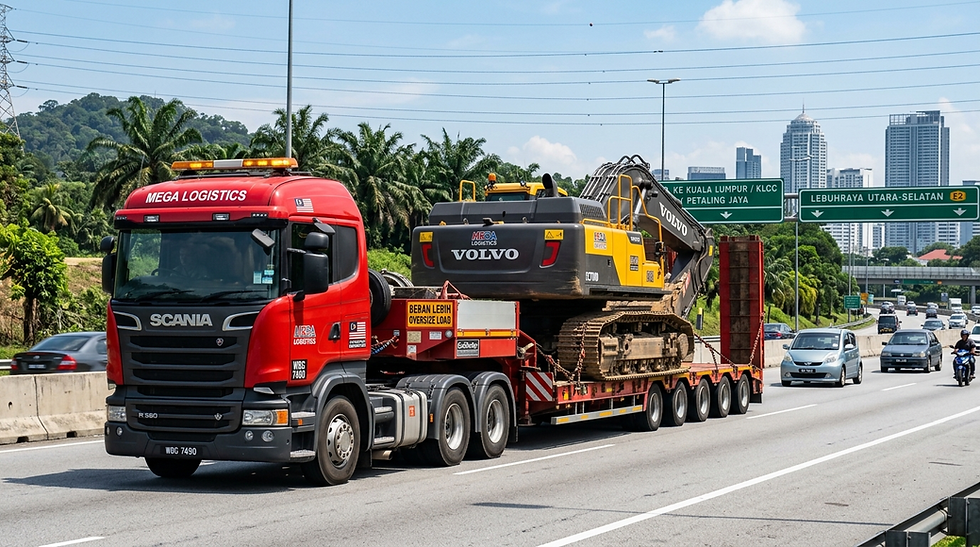
Low loaders are safer for oversized cargo because they offer a lower center of gravity, better stability, and improved load control during transport.
Transporting oversized cargo—like construction machinery, industrial equipment, or heavy vehicles—comes with serious risks. From tipping hazards to clearance issues, even small mistakes can lead to costly accidents.
That’s where low loader trailers come in. Designed specifically for heavy and tall loads, they provide enhanced safety features that standard trailers simply can’t match. In this 2026 guide, we’ll break down exactly what makes low loaders safer and how to use them effectively.
Why Low Loaders Are Built for Safety

Lower deck height improves balance
Low loaders sit much closer to the ground compared to flatbed trailers. This reduces the overall height of the cargo, making it more stable during transit.
Designed for oversized dimensions
These trailers are engineered to carry wide, tall, and heavy loads without compromising safety. They comply with transport regulations while maximizing load capacity.
Better weight distribution
Low loaders spread the cargo weight evenly across multiple axles, reducing pressure on any single point and improving road safety.
Key Safety Features of Low Loader Trailers
Hydraulic suspension systems
Hydraulic systems allow for smoother movement over uneven terrain, reducing vibrations and protecting sensitive cargo.
Multi-axle configurations
More axles mean better load distribution and reduced risk of trailer failure, especially for extremely heavy cargo.
Strong securing mechanisms
Chains, straps, and locking systems are designed to hold oversized cargo firmly in place—even during sudden braking or sharp turns.
Ramps for safer loading
Built-in ramps make it easier and safer to load heavy machinery without requiring cranes in many cases.

How Low Loaders Reduce Transport Risks
Minimized tipping hazards
The lower center of gravity significantly reduces the chance of rollovers, especially when navigating corners or uneven roads.
Improved clearance management
By lowering the cargo height, low loaders help avoid collisions with bridges, tunnels, and overhead structures.
Enhanced driver control
Drivers experience better handling due to improved stability, which is critical when transporting oversized loads over long distances.
Reduced cargo damage
Less vibration and movement mean the cargo is less likely to shift or sustain damage during transit.
Best Practices for Using Low Loaders Safely
Conduct pre-transport inspections
Always check the trailer, securing equipment, and cargo condition before starting the journey.
Follow legal load limits
Ensure compliance with local regulations regarding weight, height, and width restrictions.
Use proper securing techniques
Double-check all tie-downs and locking systems to prevent movement during transit.
Train drivers adequately
Experienced drivers are essential for handling oversized cargo safely, especially on challenging routes.
Plan routes carefully
Avoid low bridges, narrow roads, and high-traffic areas whenever possible.
Did You Know?
Low loaders can reduce accident risks by up to 30% 🚧
Industry data shows that using specialized trailers like low loaders significantly lowers accident rates compared to standard trailers.
They’re widely used in construction and logistics
From excavators to wind turbine parts, low loaders are the go-to solution for heavy transport.
Modern low loaders include smart tech
Some 2026 models feature GPS tracking, load sensors, and real-time monitoring for enhanced safety.
Conclusion
Low loaders are essential for safe oversized cargo transport
Low loaders stand out as the safest option for transporting oversized cargo thanks to their low deck height, stability, and advanced safety features. They reduce risks, protect valuable equipment, and ensure compliance with transport regulations.
If you’re handling heavy or oversized loads, investing in the right low loader setup—and following best practices—can make all the difference.
FAQ
What is a low loader trailer used for?
Low loader trailers are used to transport heavy and oversized equipment such as construction machinery and industrial vehicles.
Why are low loaders safer than flatbeds?
They have a lower center of gravity, better stability, and are specifically designed for oversized loads.
What types of cargo require a low loader?
Excavators, bulldozers, cranes, and large industrial components typically require low loaders.
Are low loaders legal for all roads?
They are legal but must comply with local transport regulations regarding size and weight limits.
How do you secure cargo on a low loader?
Cargo is secured using heavy-duty chains, straps, and locking systems designed for large loads.
Can low loaders handle extremely heavy loads?
Yes, especially those with multi-axle configurations designed for high-capacity transport.
Looking for a reliable low loader service in Malaysia? 🚛
Whether you need to transport heavy machinery, oversized equipment, or industrial cargo, choosing the right partner is crucial. Our professional low loader services are designed to give you peace of mind—from expert route planning and secure loading to real-time tracking and experienced drivers who know how to handle complex jobs.
We don’t just move your cargo—we protect it. With modern trailers, strict safety protocols, and a customer-first approach, you’ll enjoy smoother, faster, and safer deliveries every time.
👉 Contact us today for a FREE consultation
👉 WhatsApp us now for instant assistance
👉 Book your transport slot before peak transport season
👉 Claim your special rate for first-time customers
Don’t risk delays, damage, or costly mistakes. Get your oversized cargo delivered safely and efficiently—reach out now and let’s get your project moving! 💼


Komen